Finish failure from moisture
Bubbling or peeling on the outer skin, particularly on steel doors from the 1980s stock common across this area, points to moisture getting behind the finish over time.
Moreno Valley, CA
Dented, cracked, or sun-faded garage door panels on Moreno Valley homes built between 1958 and 2003. We match panels, source hardware for older doors, and replace what's actually bent.
Local causes
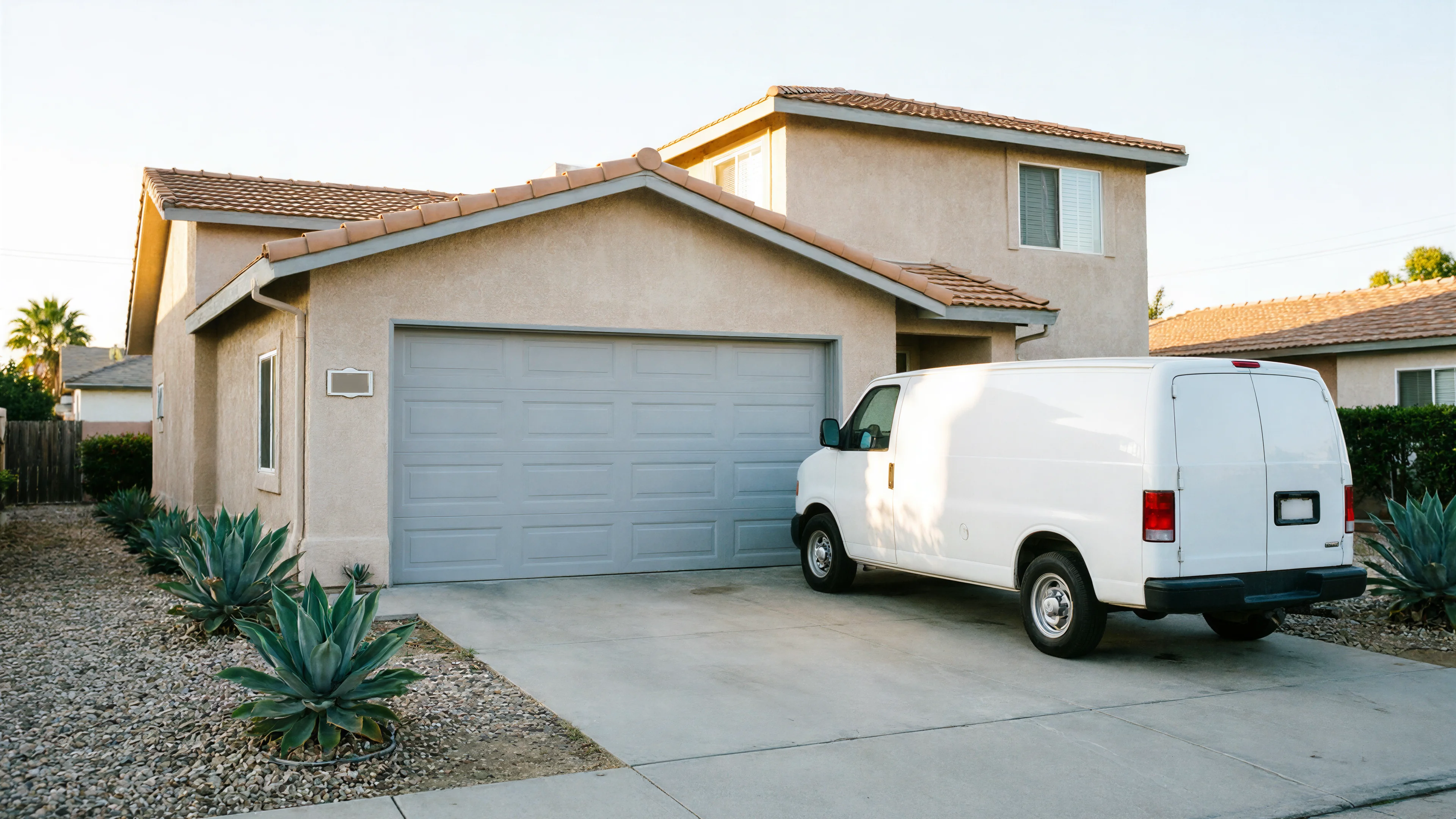
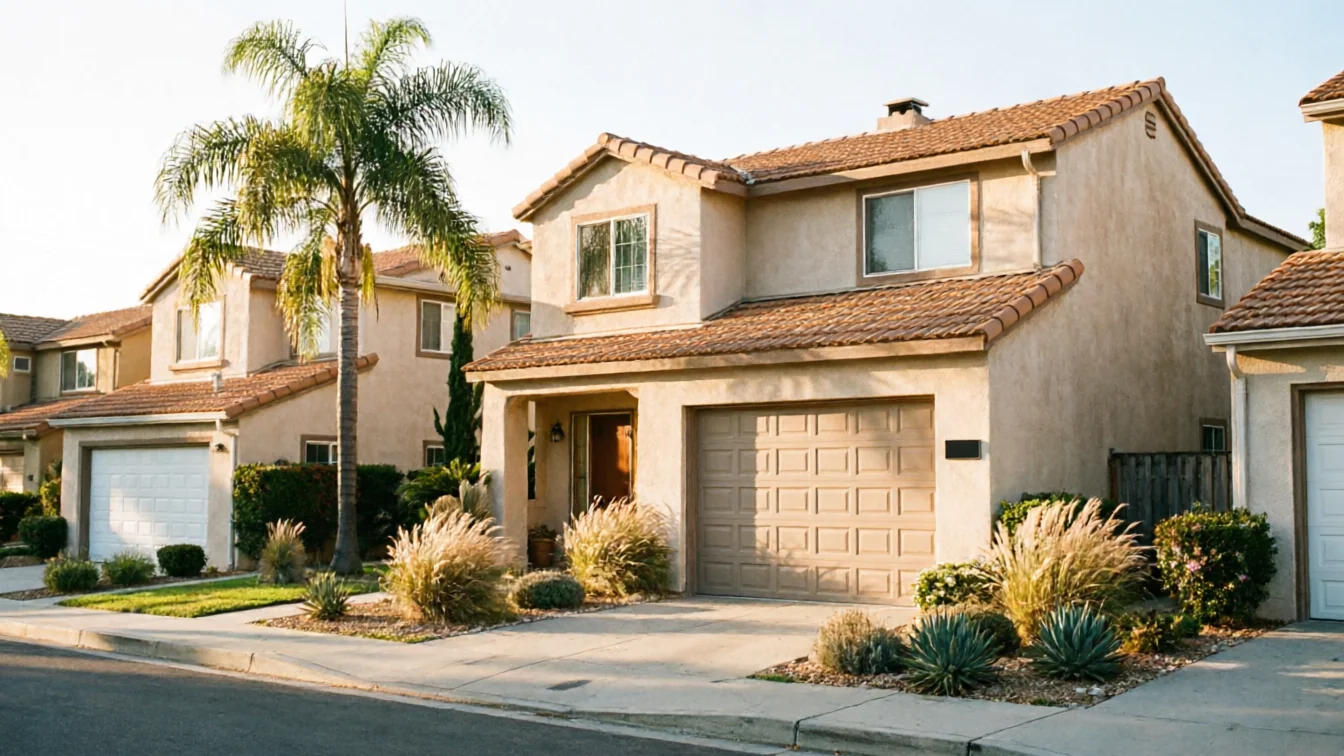
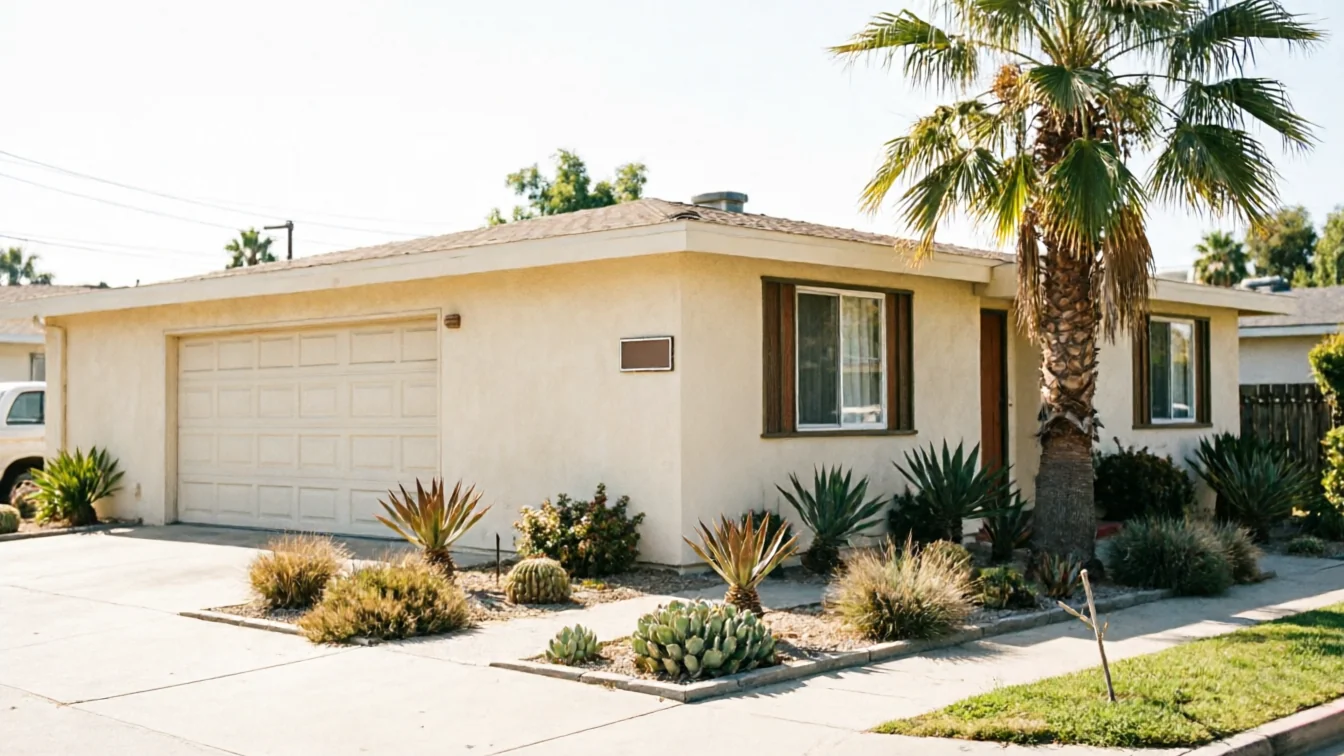
Most of the housing stock across this service area went up between 1958 and 2003, with the bulk of it concentrated in the 1980s and 90s across the 34 named communities we work in. That matters for panels specifically: steel and fiberglass doors from that era used thinner gauge material than what's sold today, and the finish wasn't built for decades of direct sun exposure. The climate here runs moderate-to-hot through most of the year, and UV exposure on a west- or south-facing door bay is relentless on older paint and laminate. Panels chalk, crack along the seams, and the bottom section - the one that takes the brunt of car doors, bikes, and the occasional trash can - goes first. On doors from the 1983-era median build, you're also dealing with panel sizing and hinge spacing that newer lines don't always match stock-for-stock. A single cracked panel on a 1988 door isn't a simple swap off a shelf; it's a measure-and-order job more often than not. That's the pattern we see across the service area, not just one street or one subdivision - it's a function of how old the doors are and how much sun they've taken.
Watch-outs
The mistake homeowners make most is ordering a panel online by model number alone. Doors built in the 1960s through the 1990s went through enough manufacturer changes that two doors with the same brand sticker can have different panel heights, different hinge spacing, or window cutouts that don't line up. Order the wrong panel and you've got a mismatched color and a return shipment to deal with. The other place this goes wrong is when one panel is treated as an isolated repair on a door that's structurally tired everywhere else - track bent, rollers worn, springs original to the house. Replace the one panel and the door still binds, still sags, still fights the opener. We tell people straight: if the door is from the early part of that 1958-2003 build window and the rest of the hardware is original, a single panel swap might buy you a year before the next section goes. That's not a reason to avoid the repair, but it's worth knowing before you spend money twice.
Warning signs
A dent from a backed-into bumper is the easy case - cosmetic, one panel, straightforward. Cracking along a panel seam or at the corners, especially on doors that have had years of direct sun, usually means the material itself is brittle, not just impacted.
Bubbling or peeling on the outer skin, particularly on steel doors from the 1980s stock common across this area, points to moisture getting behind the finish over time.
Rust streaks below the hinges on an older panel usually mean water's been sitting in the seam for a while, which is common once the factory coating starts to go.
If a panel is bowed rather than dented - pushed outward in the middle instead of creased - that's usually wind load or a spring doing more work than it should, not impact damage, and it changes what we recommend.
Our process
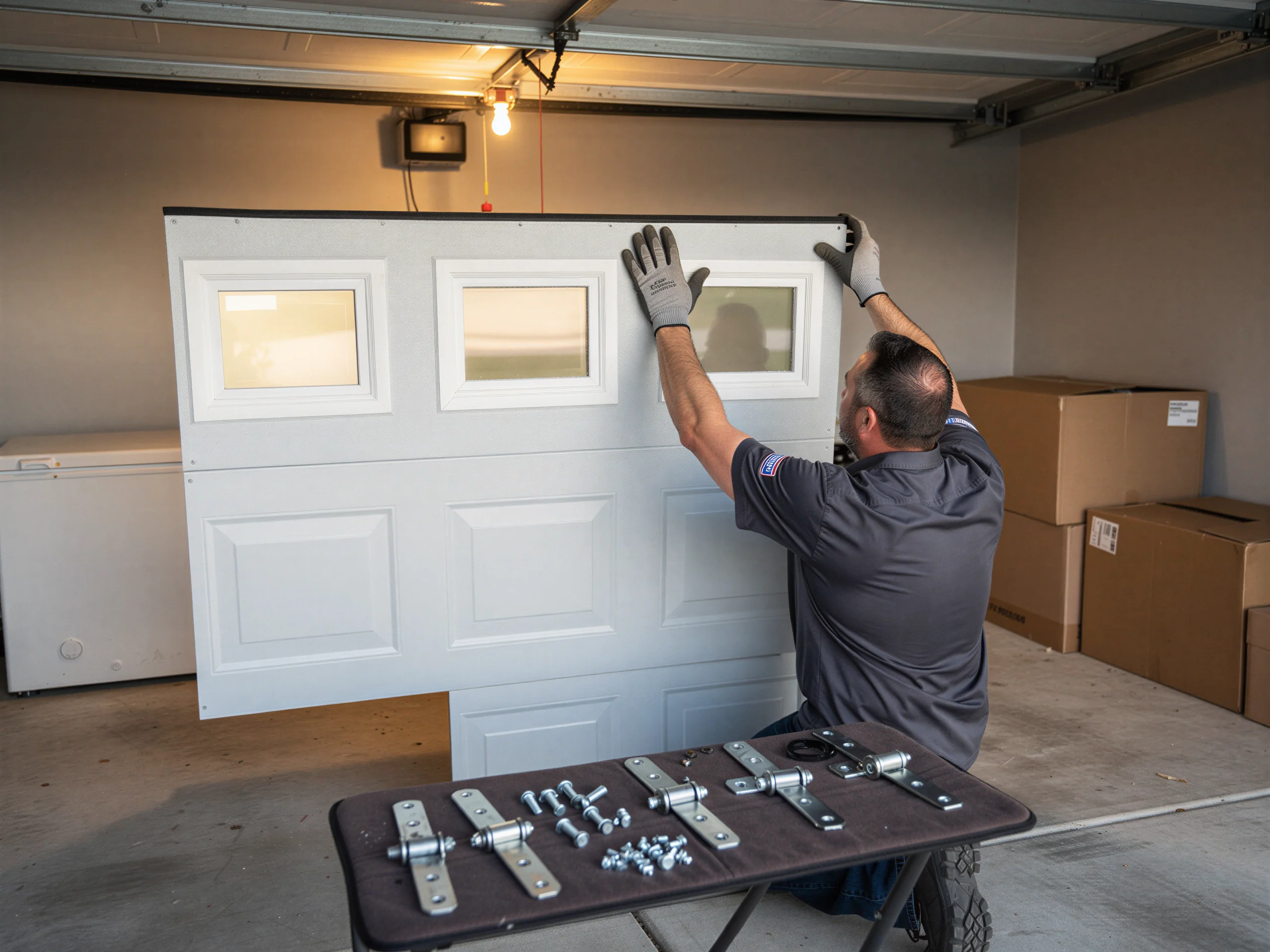
We start by identifying the door - manufacturer, panel style, hinge spacing - because on older doors that's the step that determines whether we can match a panel off the shelf or need to order one. If the door's newer and the panel's a common profile, we can often replace just the damaged section and keep the rest of the door in service. If the door is from the earlier end of the 1958-2003 range and parts for that specific model aren't stocked anymore, we'll tell you that up front rather than stringing out a search - sometimes a full door replacement makes more financial sense than hunting down a discontinued panel. We're honest about that trade-off because a mismatched panel on an otherwise good door looks worse than the dent did. Once the panel's in, we check the door's balance and track alignment before we call the job done, since a new panel on an old door can expose problems the old panel was quietly hiding.
Questions
Sometimes. If the door's a common profile we can often source a matching panel. On doors from the earlier end of the 1958-2003 build range, some manufacturers have discontinued that exact panel style, and we'll tell you straight if that's the case rather than guess and order wrong.
Depends on the door's age and condition. One panel on a newer door is usually the cheaper fix. On an older door where the rest of the hardware is original and tired, a full replacement can end up making more sense than paying twice.
Sun exposure over years of the moderate heat this area gets will make older panel material brittle, especially along seams. It's common on doors that have faced south or west for a couple of decades without ever having a panel issue before.
We cover the wider service area, including communities like Mead Valley, Perris, Woodcrest, and others nearby. Each area has its own page with details specific to that location.
Explore more
Ready when you are
Moreno Valley Garage Door Pros repairs and installs garage doors, springs and openers in Moreno Valley, CA and the surrounding area.