Fast garage door repair in Moreno ValleyCall (951) 281-3899

Moreno Valley, CA

Garage Door Maintenance for Moreno Valley's 1980s-Era Housing Stock

Most Moreno Valley garage doors date to the 1958-2003 building boom. Here's why that era of hardware fails under valley heat and what a real tune-up checks.

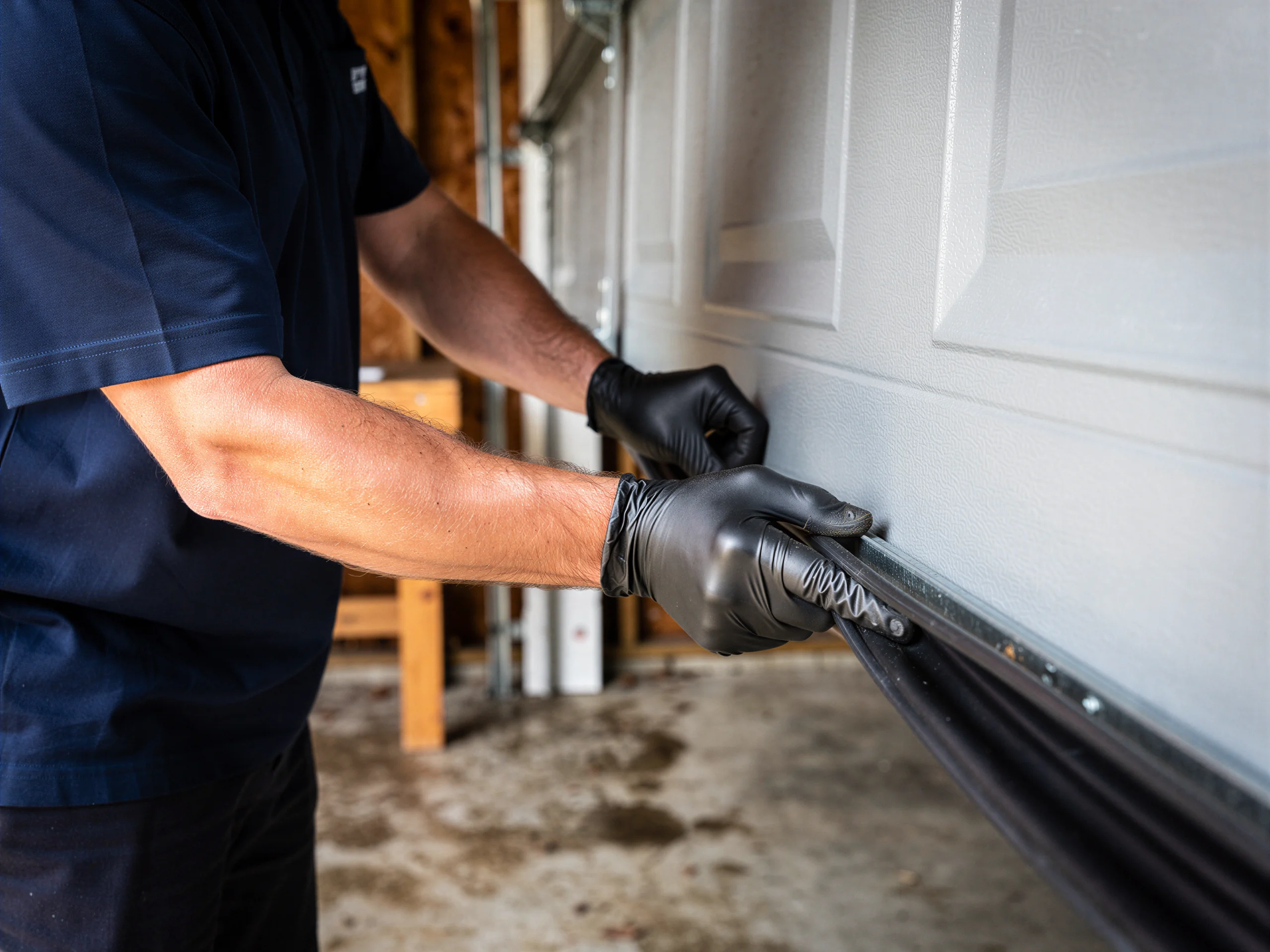
A technician wearing black gloves is installing a garage door bottom seal.
Serving Moreno Valley, CABackground-checked techsHonest, upfront pricingFast local response
Local
Crews that work this area daily
Same-day
Response for most repair calls
Upfront
Pricing agreed before we start
Insured
Background-checked technicians

Local causes

Why It Happens Here

Moreno Valley's housing stock runs mostly 1958 to 2003, with the median build year sitting around 1983. That one number explains most of the maintenance calls we get. A door and opener installed in the Reagan-era tract boom is pushing forty years of service, and the galvanized torsion springs, nylon rollers, and steel cable from that period were never rated for four decades of cycles.

Add the climate band here, which runs moderate-to-hot through most of the year. Heat doesn't break springs on its own, but it does dry out factory lubricant faster than cooler coastal towns, and it swells wood jambs enough to throw tracks out of plumb by a few degrees. On a door that's already at the far end of its spring-cycle life, that small misalignment is often the difference between a smooth close and a roller jumping the track.

Across the 34 named areas that make up this stock, the pattern repeats: original hardware, moderate heat fatigue, and owners who never had a reason to think about the door until it stopped working. Maintenance here isn't about avoiding damage from a storm. It's about catching metal fatigue in parts that are older than most of the owners who've bought the house since.
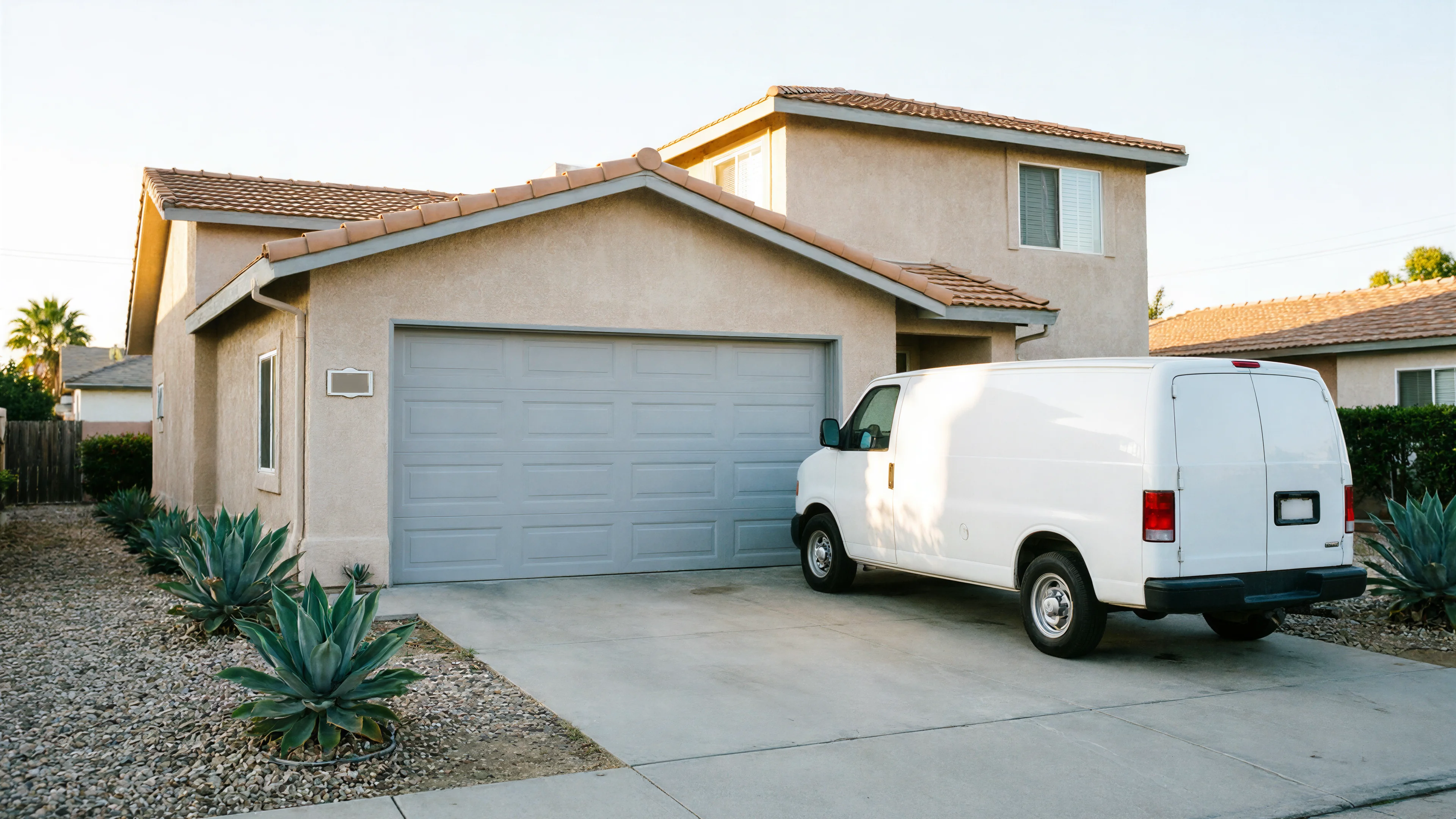
A white service van is parked in the driveway of a house with a gray garage door.

Watch-outs

Where This Job Goes Sideways

The service area has 136,012 owner-occupied houses out of roughly 250,595 households, and a median household income of $83,246. That combination means most of these doors are owned long-term, not rented and ignored, but a tune-up still isn't a line item anyone budgets for until something grinds.

Generic oil masking problems

Here's where it goes wrong: a homeowner hears a new noise, sprays some generic oil on the track, and the noise goes quiet for three weeks. What actually needed attention was a spring losing tension unevenly, a cable fraying at the drum, or a roller bearing seizing inside its sleeve. The lubricant masked the symptom.

Unsafe door from neglect

By the time the door won't open at all, the spring has usually already overcorrected on one side, and now you've got a door that's not just noisy but genuinely unsafe to be standing under. The other way this goes sideways is cost creep. A fifteen-minute spring-tension check and track adjustment is a maintenance call.

Snapped cable damage

A snapped cable that's whipped through a panel on its way down, or an opener motor that's been straining against a misaligned track for months, is a repair call with a different price tag entirely. The fix doesn't change in kind, just in how much of the door it takes with it.

Warning signs

What You Are Seeing

On doors from the 1958-2003 build window, the early signs are consistent: a grinding or popping sound as the door passes the halfway point, a door that starts fast and then visibly slows or jerks near the top, one side of the door riding lower than the other as it closes, or an opener that runs longer than it used to before the door actually moves.

Heavier lift as warning

If the door is noticeably heavier to lift by hand than it was a year ago, that's a spring losing tension, not the door getting heavier. If you see flaking rust or a flat spot on the torsion spring coil itself, that's fatigue from heat-cycle expansion and contraction, and it's a sign the spring is near the end of its rated life regardless of how it sounds.

Rollers outpaced by cycles

Rollers are the other tell. Original steel or early nylon rollers from this era were not designed for the cycle count a daily-use door in this climate puts on them.

Stuttering roller early warning

A roller that's gone from a smooth roll to a stutter-step in the track is usually the first hardware failure on a door this old, and it's cheap to replace before it takes the track alignment with it.

Our process

How We Fix It

A maintenance visit means we check spring tension and balance, inspect cable condition at the drum and bottom bracket, test roller wear and track alignment, lubricate the moving hardware with the right product for this climate (not a generic household oil), and check the opener's force and limit settings against what the door actually weighs now.

  1. Discontinued original components

    We'll tell you straight if a part is past the point where adjustment helps. On original hardware from the 1960s through 1980s, some components are no longer made to the same spec, and once a spring has visible flat spots or a roller sleeve is cracked, re-lubricating it is wasted money - it needs replacing, not maintaining.

  2. Tune-up limits to sound parts

    That's the one honest limit on a tune-up: it extends the life of hardware that's still sound, it doesn't resurrect hardware that's already failed. This isn't a once-and-done fix.

  3. Yearly check cadence

    On a door built during this area's main construction era, we'd recommend a check on roughly a yearly cycle, more often if the door sees multiple openings a day, because the heat-cycle wear here doesn't stop.

Questions

Common questions

How often should I get my garage door serviced in Moreno Valley?

For most doors from the 1958-2003 building era that make up this area's housing stock, once a year is a reasonable baseline, given the heat-cycle wear on springs and lubricant here. Doors that open multiple times a day, or that are already showing noise or slow movement, should be checked sooner rather than waiting out the year.

My door is original to a house built in the 1980s. Is maintenance still worth it?

Often yes, but not always. If the springs and rollers are still within their cycle life and just need lubrication and a tension check, maintenance extends that. If the spring already has visible flat spots or rust flaking, that's fatigue, and the honest answer is replacement, not another tune-up.

Why does my door sound different than it used to?

A new grinding or popping sound, especially near the top or bottom of travel, usually points to a roller wearing out or a spring losing even tension. On hardware from this area's 1980s-median building stock, that's a common and expected failure point, not something unusual to this one house.

Can I just lubricate the door myself instead of calling someone?

Lubrication helps, but it only addresses one part of what wears out. It won't tell you if a cable is fraying at the drum or if a spring is a few cycles from breaking. A proper check covers tension, alignment, and wear points that a spray can't fix or diagnose.

Explore more

Explore More Services In Moreno Valley, CA

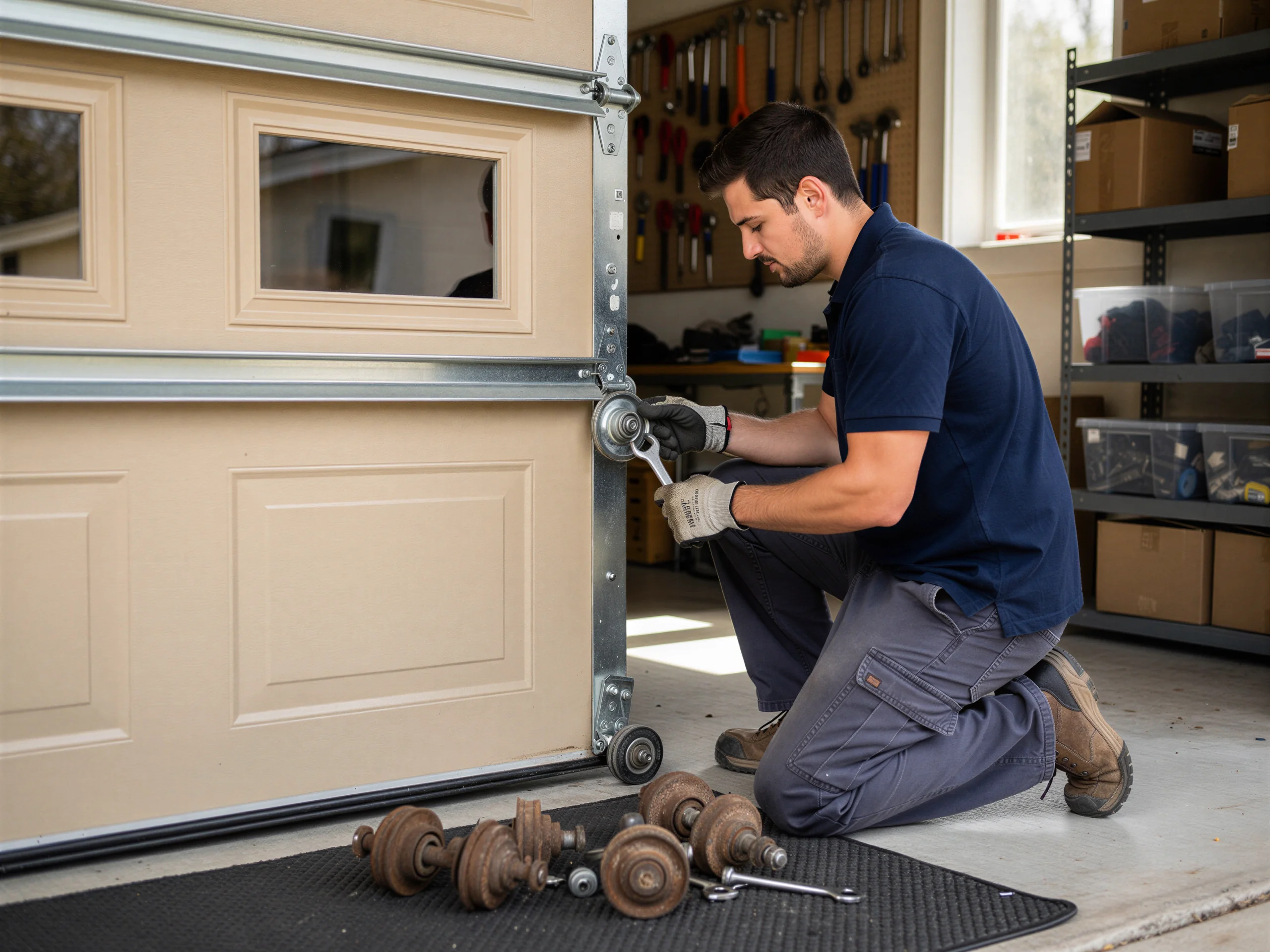
A technician kneels, repairing a beige garage door with a wrench.

Garage Door Roller Replacement for Moreno Valley Homes

Worn rollers on 1980s-era Moreno Valley garage doors grind, stick, and derail in summer heat. Learn more →
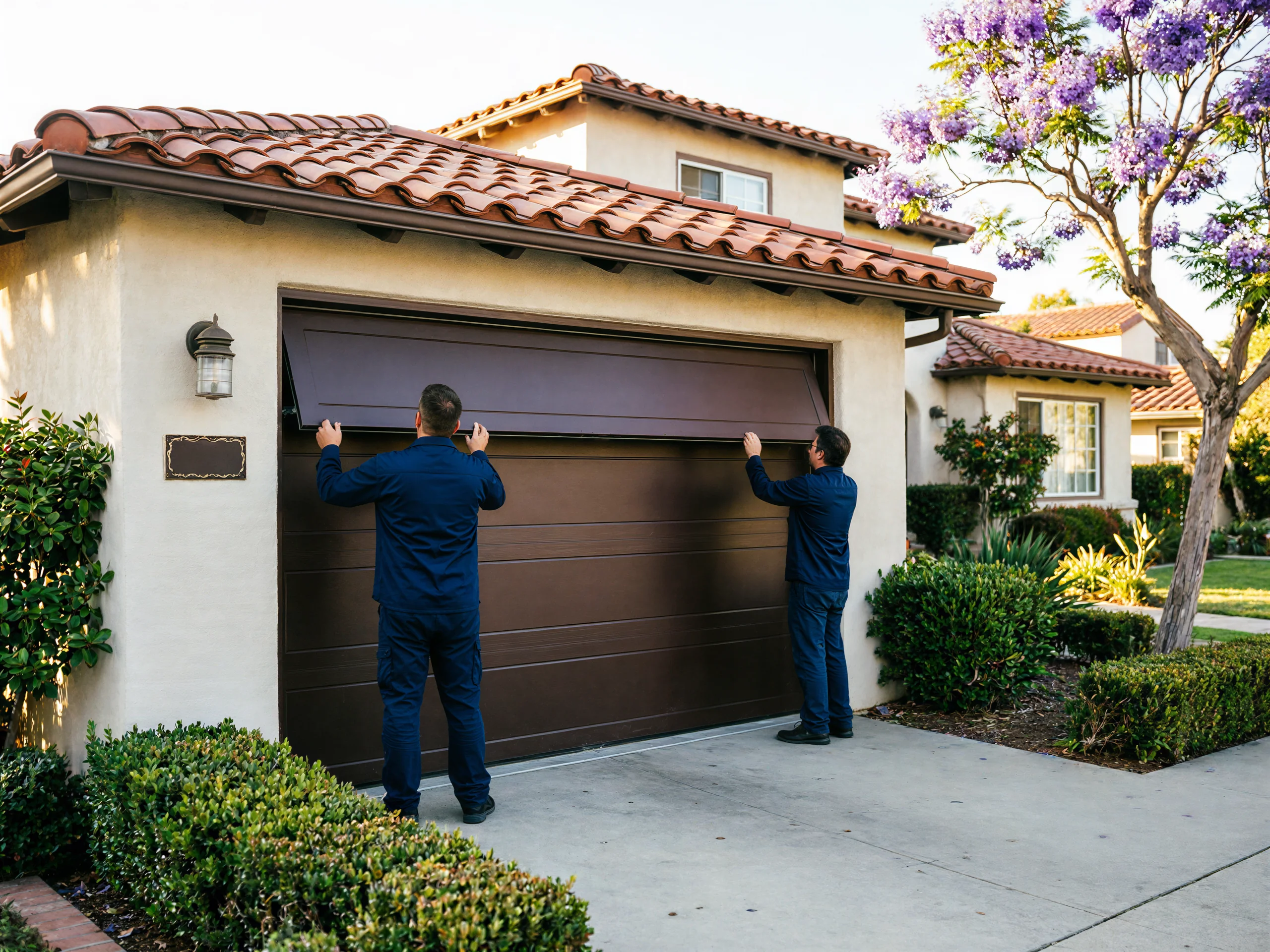
Two technicians are installing a brown garage door on a house.

Garage Door Installation for Moreno Valley Homes

Moreno Valley homes built mostly 1958-2003 often carry original, uninsulated steel doors worn by years of heat. Learn more →
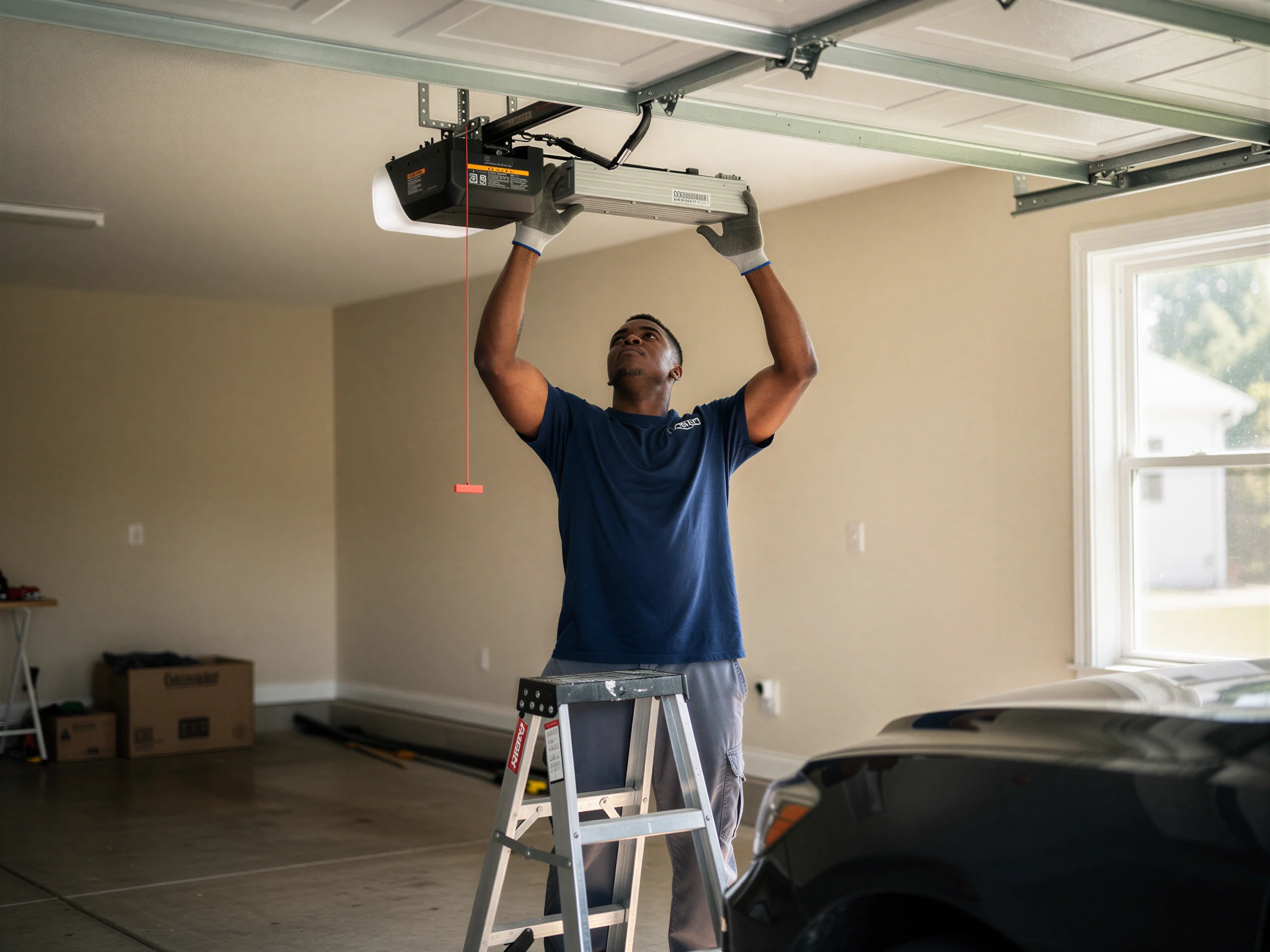
A technician on a ladder installs a garage door opener in a garage.

Garage Door Opener Installation for Moreno Valley Homes

Moreno Valley homes built 1958-2003 often run original chain-drive openers past their life. Learn more →
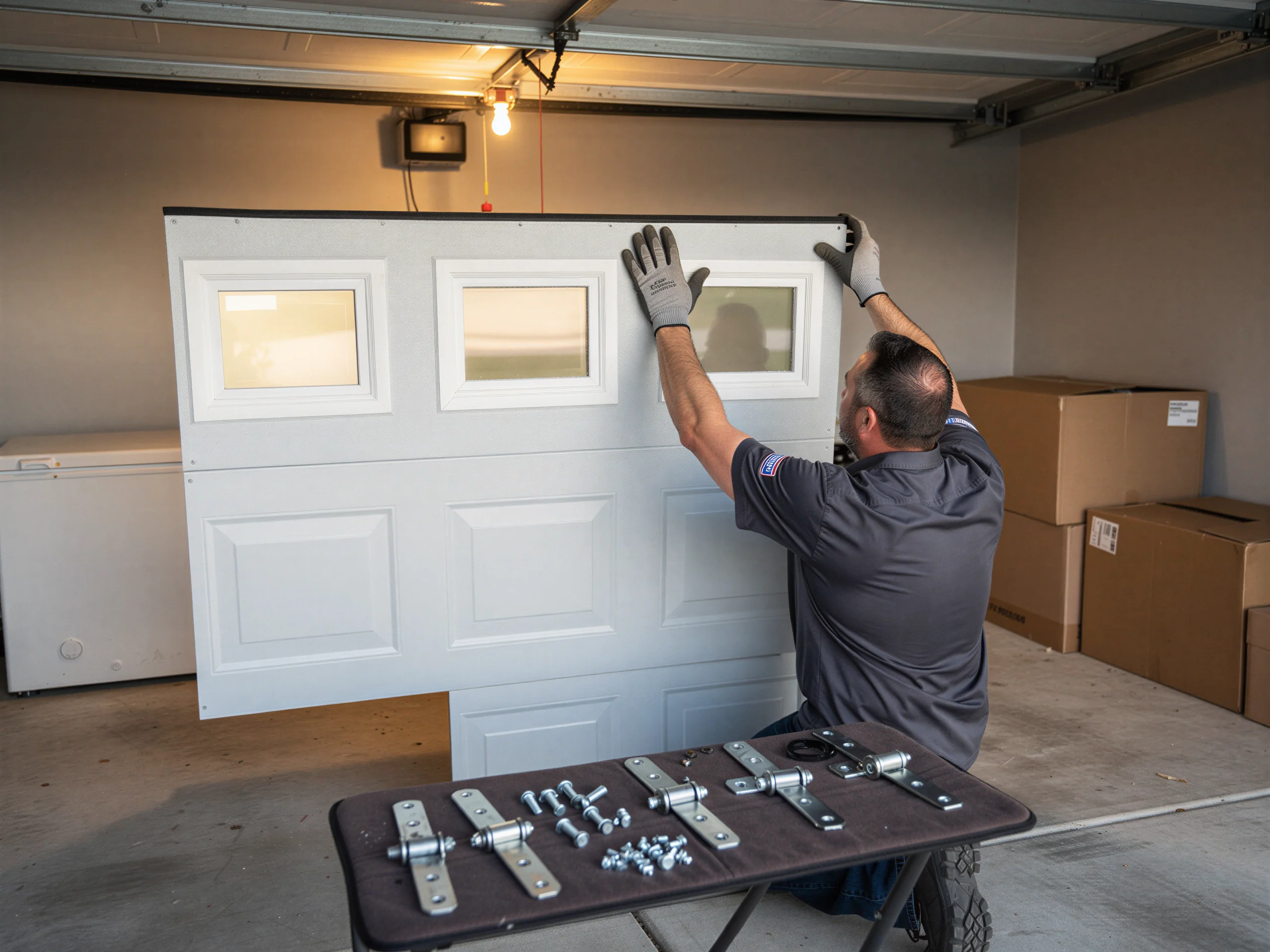
A technician installs a white garage door panel with windows.

Panel Replacement for Moreno Valley Garage Doors

Dented, cracked, or sun-faded garage door panels on Moreno Valley homes built between 1958 and 2003. Learn more →
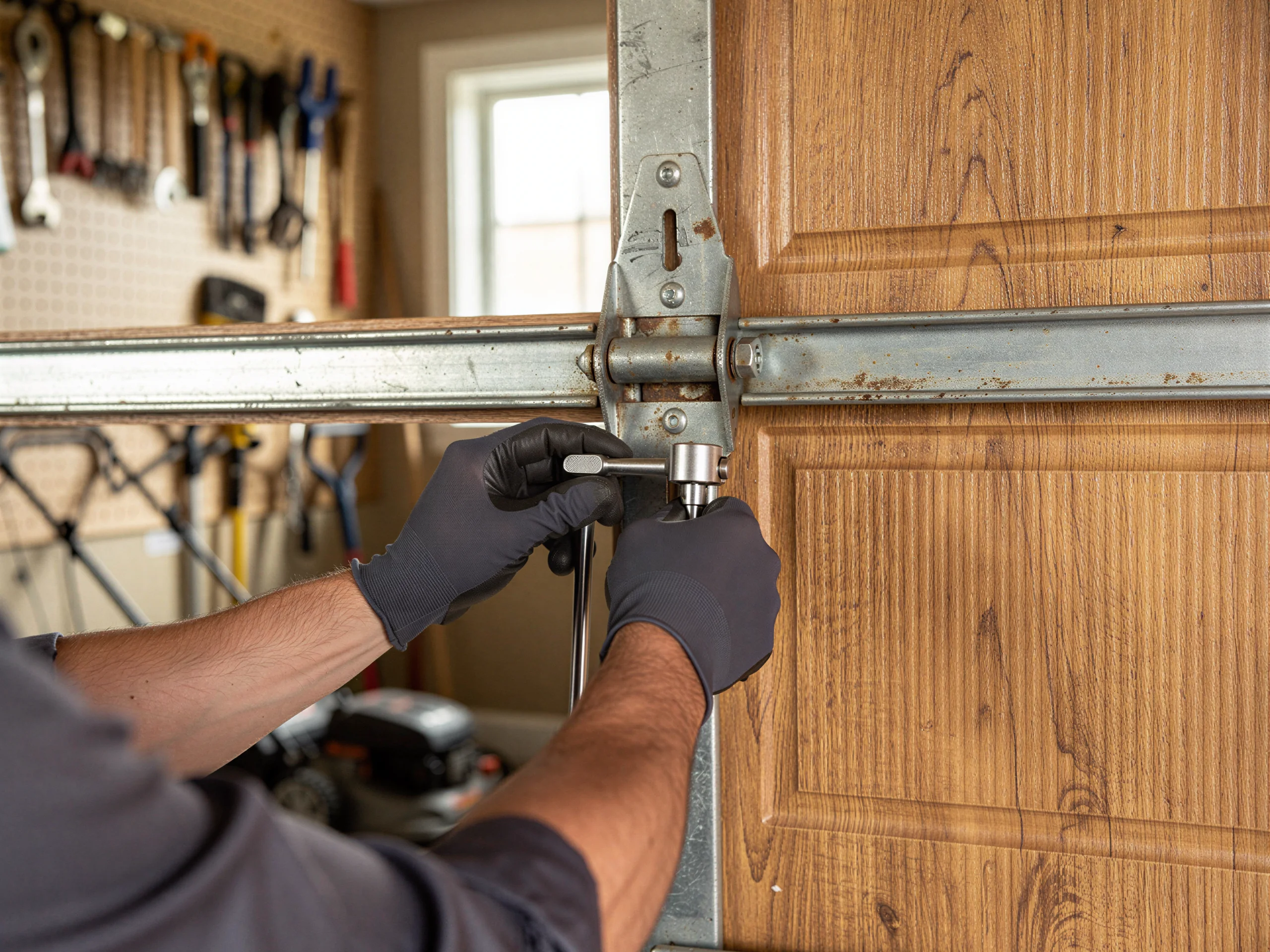
A technician in black gloves adjusts a garage door hinge with a wrench.

Garage Door Repair for Moreno Valley Homes

Garage door repair for Moreno Valley homes built 1958-2003, where original torsion hardware and heat-dried lubricant cause the most spring and opener failures. Learn more →
A technician wearing black gloves is installing a garage door bottom seal.

Garage Door Service for Moreno Valley Homes

Garage door service for Moreno Valley homes built 1958-2003, where original hardware and heat-dried lubricant are the most common cause of a stuck or noisy door. Learn more →

Ready when you are

Need a garage door sorted in Moreno Valley?

Moreno Valley Garage Door Pros repairs and installs garage doors, springs and openers in Moreno Valley, CA and the surrounding area.

Call NowGet a quote