The Common Mistake
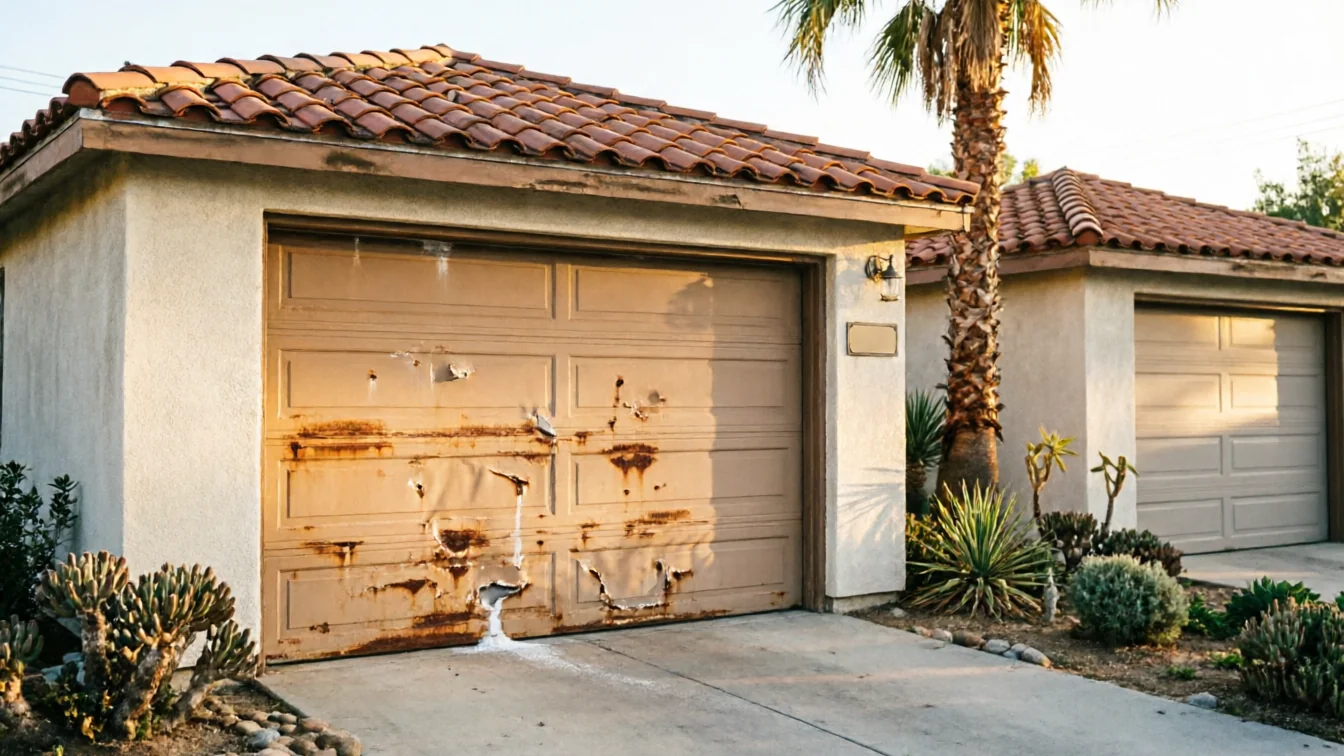
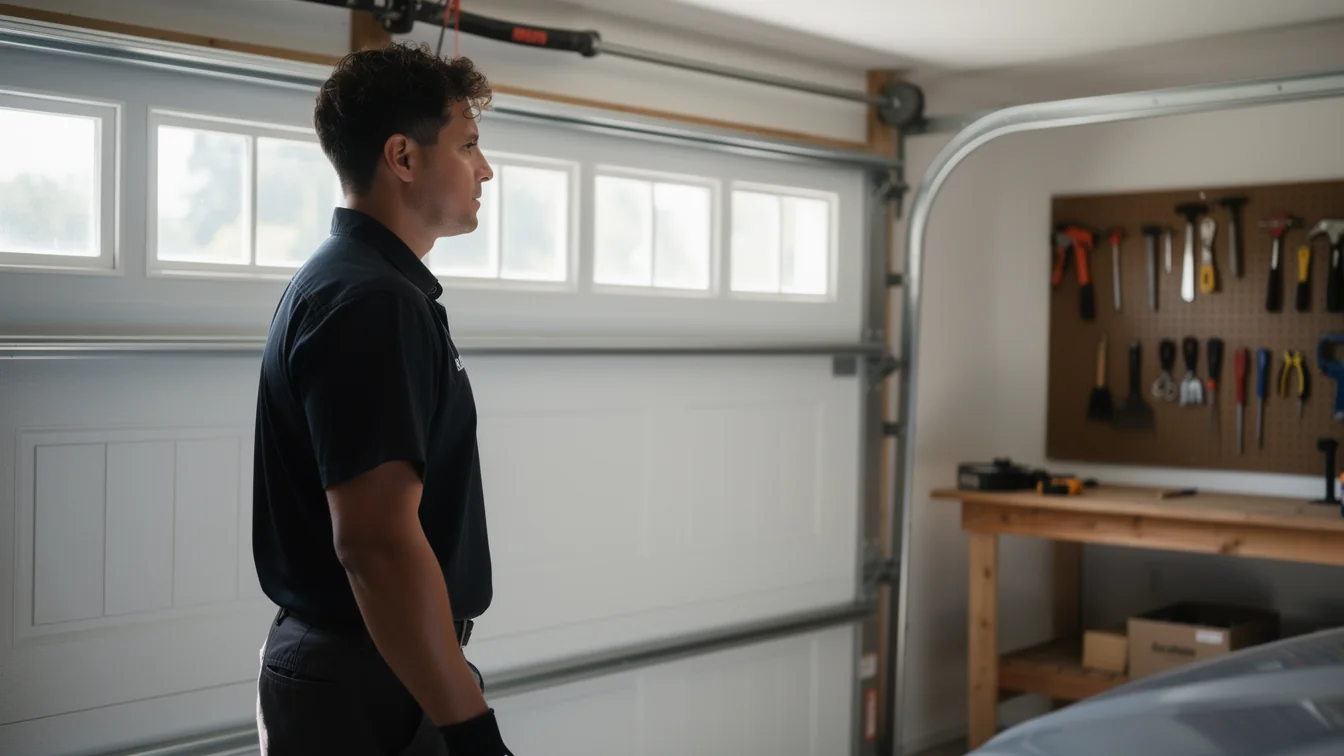
The usual assumption is that a dead opener after a power cut means a dead motor, so people call asking for a replacement unit on the spot. Most of the time that's not what happened. Houses in this area were built between 1958 and 2003, with the median landing around 1983, which means a lot of the openers still running are chain-drive units from well before battery backup was standard equipment on anything. When the power drops and comes back, these older units don't always re-sync their logic board with the wall button or the remote, and the limit switch can lose its memory of where the door is supposed to stop. The door looks broken. It isn't, usually - it's confused. Before you replace anything, pull the manual release cord, see if the door moves freely by hand, and check whether the wall console lights up at all. If the console is dark, the problem might be upstream of the opener entirely - a breaker, not a motor. We do see openers that are actually dead after repeated outages, but it's worth the five minutes to rule out the cheaper problem first.
What Is Going On
Across the roughly 34 named areas that make up this service territory, most of the housing stock dates to the 1980s and 90s. That matters here specifically because openers from that era used simpler circuit boards with electrolytic capacitors that weren't built to survive many abrupt power-loss-and-return cycles. Every time the power cuts out mid-cycle and then snaps back on, that capacitor takes a small hit. It doesn't fail the first time, or the tenth. It fails the time you least expect it, usually a year or two after it should have been obvious something was off - a opener that hesitates, reverses for no reason, or needs the remote pressed twice to respond. With 136,012 owner-occupied houses across this service area, a good share of them are still running the exact opener that came with the house when it was built. That's not a flaw in the product. It's just a board designed for a grid that didn't have as many brief interruptions as it does loads on it now.
What the Weather Here Does to It
This area sits in a moderate-heat climate band, and that heat does its own quiet damage before a power cut ever enters the picture. A garage that bakes most of the afternoon pushes the air temperature around an opener's logic board well above what the board's capacitors were rated for decades ago. Heat ages a capacitor faster than almost anything else short of direct moisture. So by the time a power cut hits, the board is often already weakened from months of heat stress, and the voltage drop is just what finally pushes it over. That's why openers in garages facing west or south - catching the worst of the afternoon sun - tend to be the ones that call it quits first after an outage, even when a neighbor's door on a shadier lot rides out the same cut without issue. It's not that the power cut caused the failure on its own. It's that heat did the slow work and the power cut did the fast part.
The Seasonal Bit
Summer is when this shows up most, because that's when grid demand peaks hardest and brief cuts or voltage sags are most likely, right alongside the hottest stretch of garage temperatures all year. If your opener is original to a house built in the 1960s or 70s, parts for those logic boards are often no longer manufactured at all - we can sometimes keep one running with a compatible aftermarket board, but past a certain point, replacement is the honest answer rather than another repair. Out toward Sycamore Canyon and Canyon Springs, five miles west, we see the same vintage chain-drive units that show up closer into town, so this isn't a problem tied to one neighborhood - it tracks with how old the garage is, not where it sits. Knowing where your manual release is, and what your opener does right after power comes back, saves a service call more often than people expect.
Talk to a local pro
Garage door trouble in Moreno Valley?
Same-day service with honest, upfront quotes.