The Common Mistake
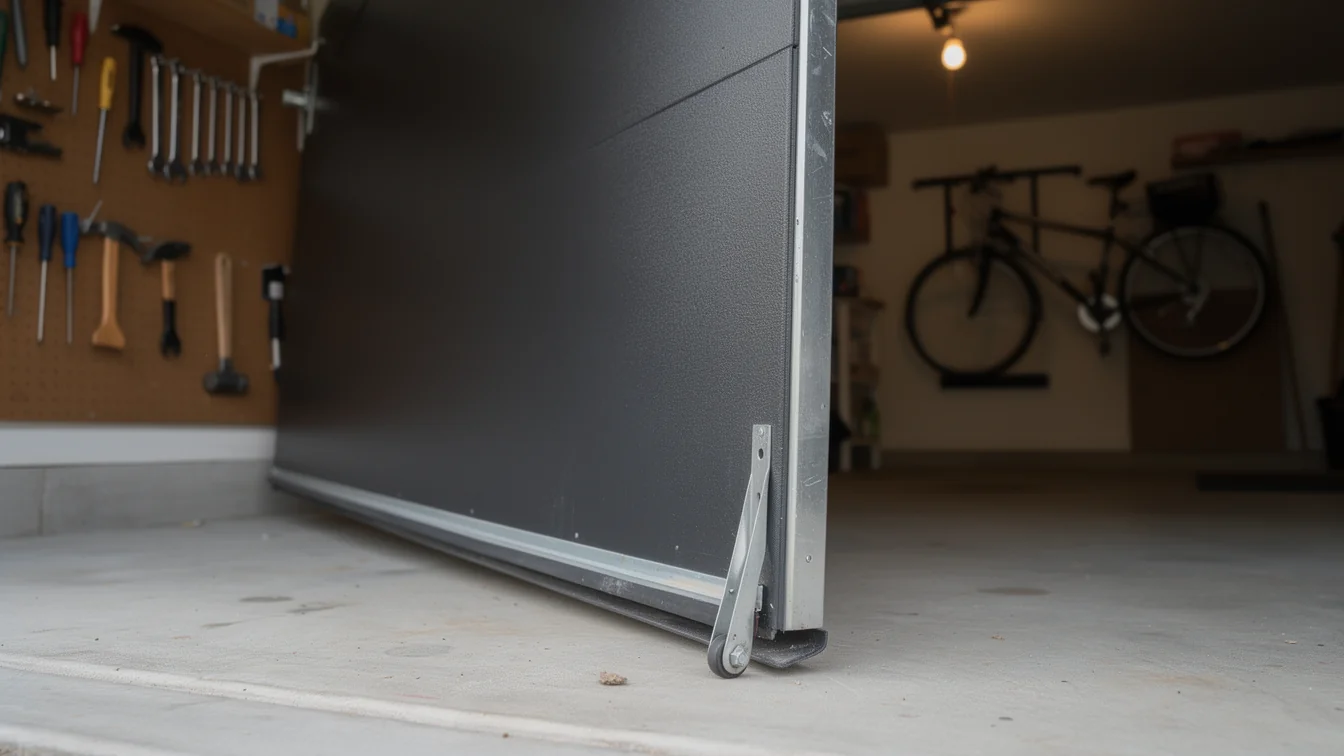
The usual mistake homeowners make here is assuming a service call is just a spring swap or a sensor fix. It's not. A service call on a house in this area means checking the whole system against the age of the house, because most of what we see sits in the 1958 to 2003 build range, with the bulk of it dating to the 1980s and 90s. A door installed in 1985 was built to a different spring tension standard and a different track gauge than anything sold today. If a tech only replaces the broken part without checking what it's bolted to, the fix doesn't hold. We've been called back to houses where someone swapped a cable and left a 40-year-old drum that was already out of round. That's the mistake: treating the part as the job instead of the door as the job.
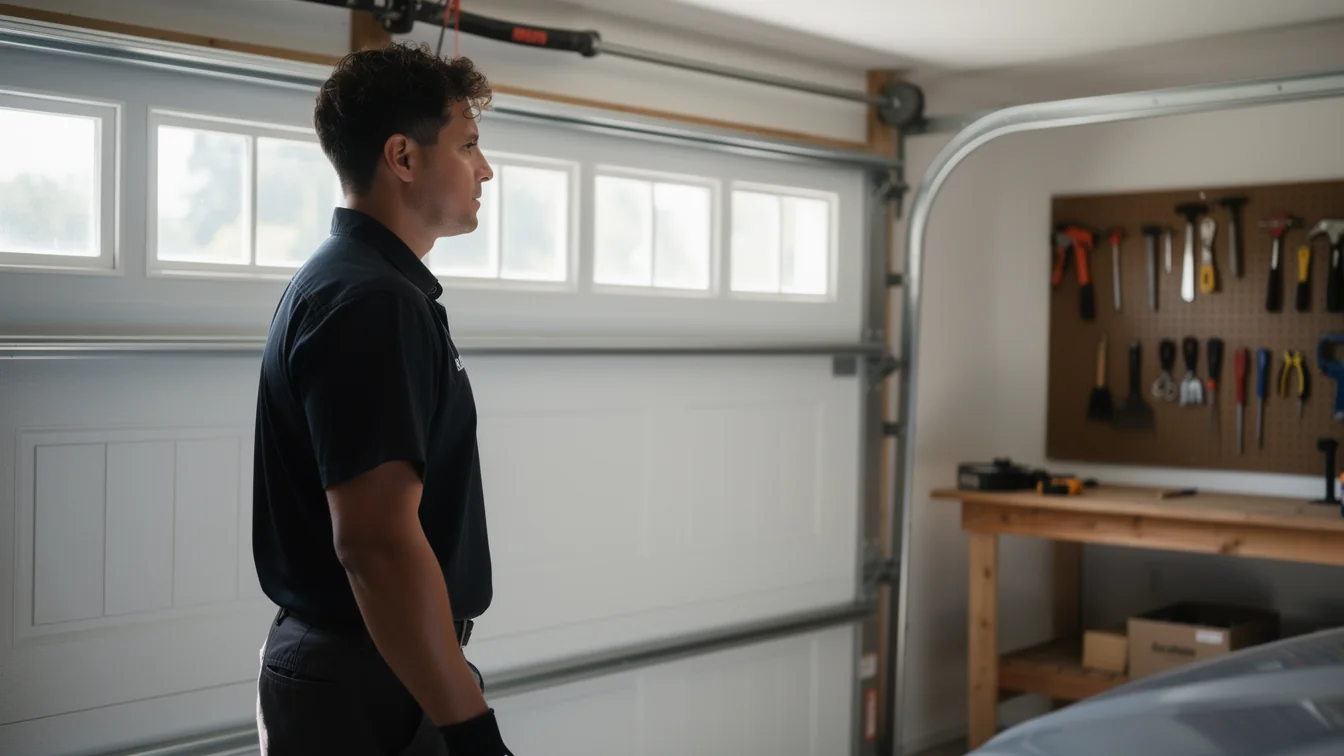
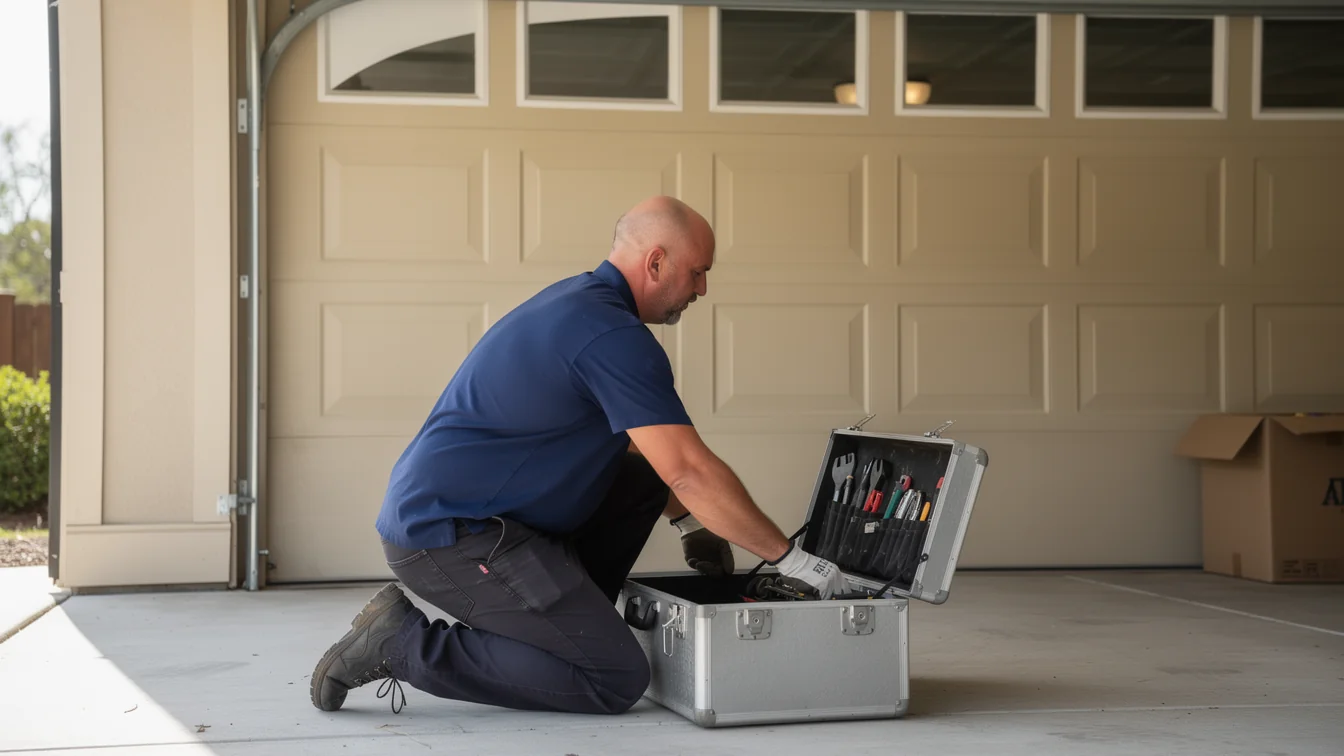
We walk the full door on every call - hinges, rollers, track alignment, the opener's force settings - before we touch the thing you called about. On a door this old, one worn part is rarely the only worn part.
What Is Going On
Across the 34 named areas that make up this stretch of the Inland Empire, the housing stock clusters tightly in one build window - 1958 through 2003, median year 1983. That matters for garage doors specifically because torsion spring sizing, track width, and opener mounting all shifted more than once in that stretch. A door from the early 80s often runs a different spring wire gauge than one from the late 90s, even on the same size opening. When we get a call, we're not guessing at generic wear - we're matching hardware to a known era of construction, and we stock accordingly because we know what's actually out there.
The honest limitation here: if your door was replaced sometime in between with a mismatched off-the-shelf kit, the original-era logic doesn't apply, and we have to diagnose from scratch on site. We can't assume every door matches its house.
What the Weather Here Does to It
This area sits in a moderate heat climate band, not an extreme one, so we don't see the violent spring failures that coastal fog or desert-extreme towns get. What we do see is slower, cumulative heat stress - nylon rollers that go brittle a season earlier than they should, lubricant that gums up on tracks faster in sustained warm stretches, and opener circuit boards that run hotter in an attached garage that never cools fully overnight. None of this is dramatic. It's wear that shows up as a slightly louder door, then a hesitating door, then a door that won't fully close.
Because the heat here is moderate rather than extreme, we don't push the aggressive weatherproofing upsells some climates genuinely need. A basic annual lube and track check covers most of what the heat band here actually does to a door.
The Seasonal Bit
The seasonal pattern on service calls here tracks the heat band more than any single weather event. Spring and early summer bring the steady rise in warm-weather calls - openers straining against stiffened lubricant, rollers that finally give out after a winter of quieter wear. It's not a spike tied to one storm; it's a gradual climb as temperatures hold higher for longer stretches. We don't see the freeze-related steel brittleness that colder climate bands get, so winter calls here tend to be lighter and more evenly spread - loose hardware, a sensor knocked out of alignment, routine stuff.
If you're scheduling anything non-urgent, late winter is the easiest time to get on the books before the warm-season climb starts. We can't promise a specific response window here, only that the seasonal pattern itself is predictable enough to plan around.
Talk to a local pro
Garage door trouble in Moreno Valley?
Same-day service with honest, upfront quotes.