One-visit roller trip
We come out from Moreno Valley, about 8 miles in, so we plan the trip as one visit: diagnose and replace in the same stop rather than a second trip to finish.
Mead Valley, Moreno Valley
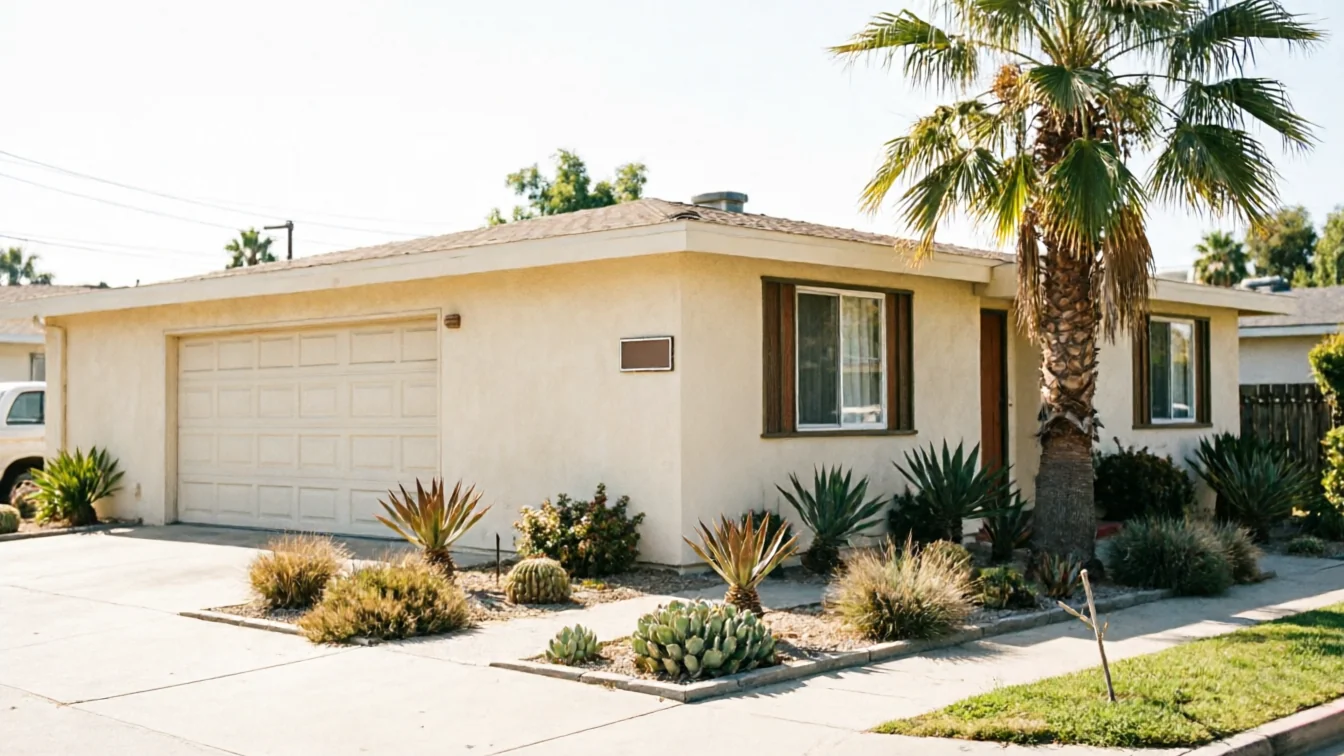
Most Mead Valley garages still run the steel rollers that shipped with the house in 1979. Here's what a roller swap looks like in this part of the service area.
Warning signs
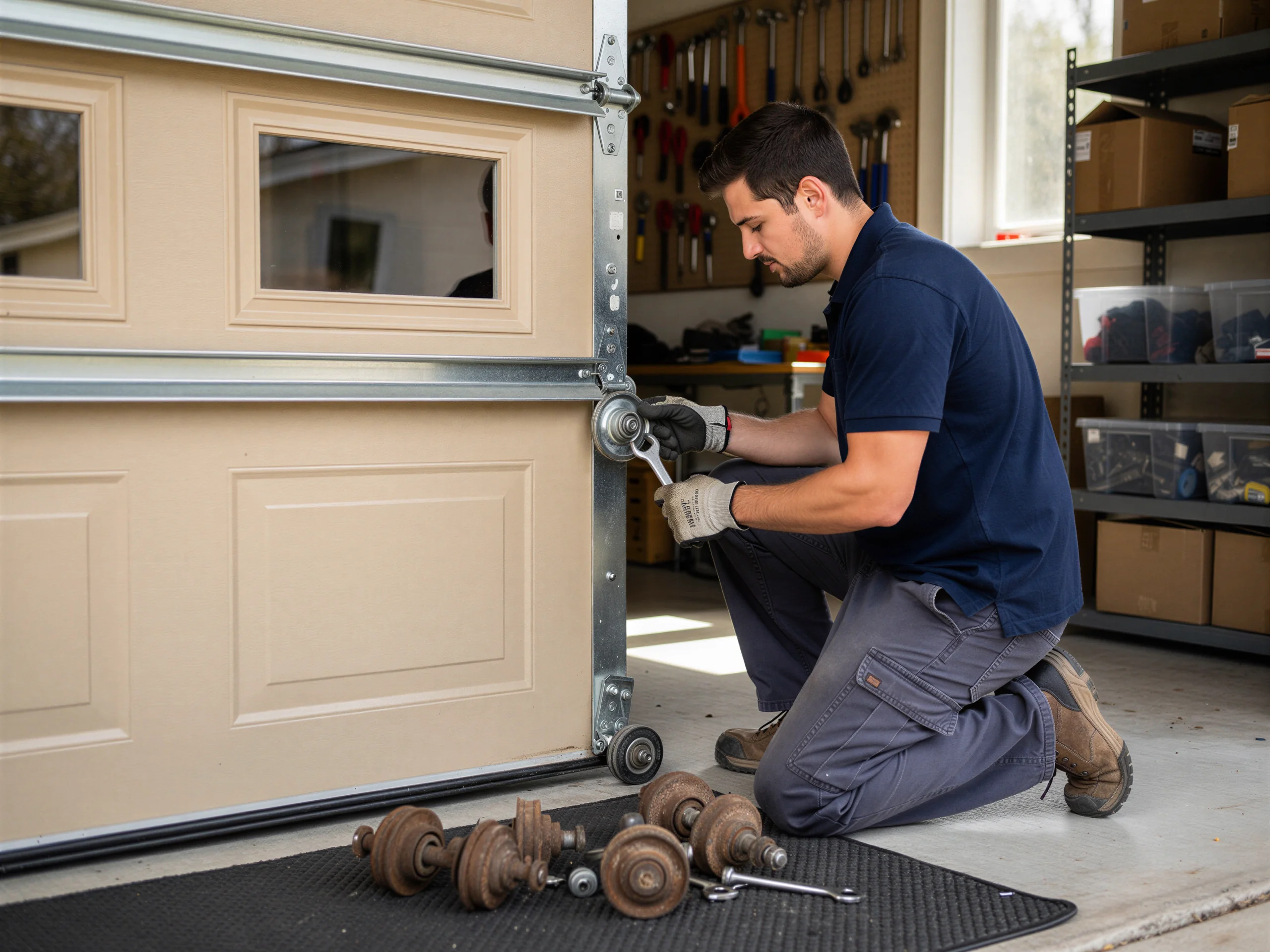
Mead Valley's housing stock centers on 1979 - a few years ahead of the broader service area's own 1983 median build year. That gap matters here specifically: a house built in the late '70s almost always shipped with steel rollers riding directly in a steel track, no nylon, no sealed bearing, nothing. Forty-plus years later, a lot of that original hardware is still in the garage, because a roller is the kind of part a homeowner doesn't think about until it's screaming or jumping the track. With roughly 4,301 households in Mead Valley, that's a meaningful number of doors still running on what the builder installed and nothing since. What you're hearing when the door moves - the grinding, the hop at the top of the track, the door that shudders instead of gliding - is usually exactly that original roller, worn down to the stem. It's not a sign of a bad door. It's a sign of a door that's finally used up the one set of rollers it ever had.
Job timing
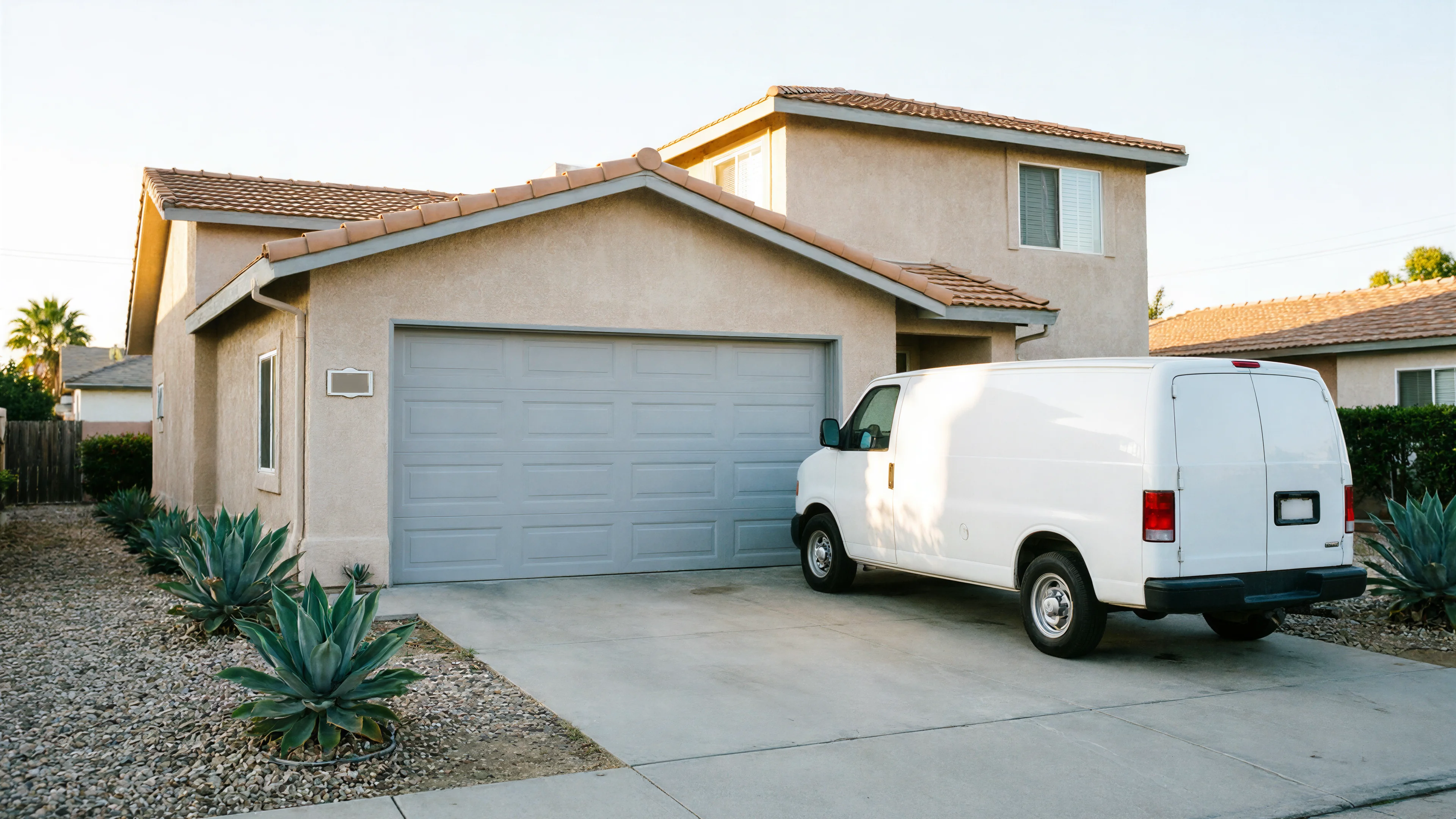
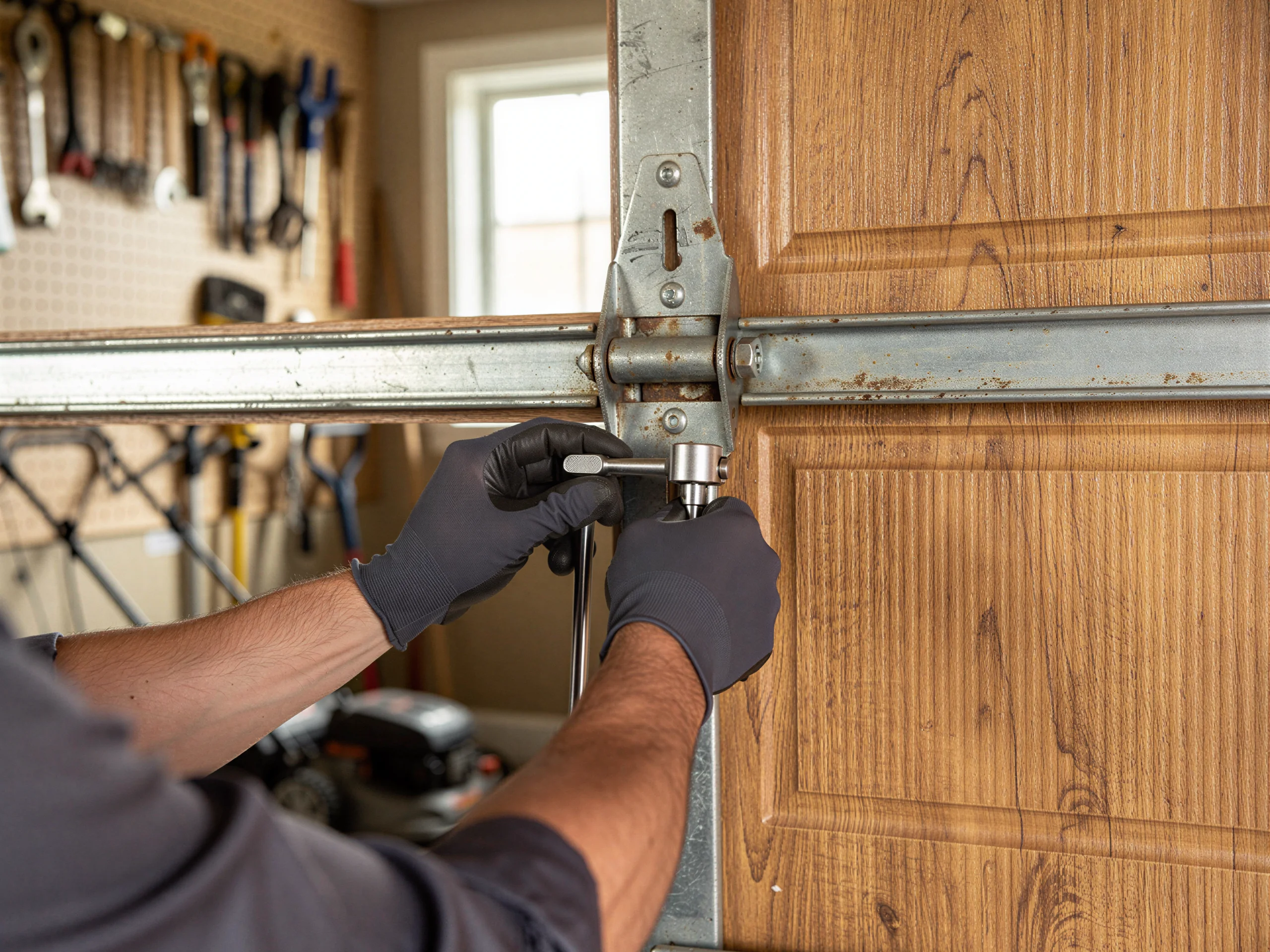
A straight roller swap on a double door, done as a standalone job, doesn't take long once we're on site - most of the time on a visit goes to inspecting the track for the wear pattern that decades-old steel rollers leave behind, not to the rollers themselves.
We come out from Moreno Valley, about 8 miles in, so we plan the trip as one visit: diagnose and replace in the same stop rather than a second trip to finish.
On a 1979-era door, we're also checking the track brackets, since steel-on-steel wear over that many years tends to chew a groove into the track rail itself, not just the roller.
If the track's grooved, the new rollers won't fix the noise on their own - that's a separate repair, and we'll tell you plainly if that's what we're looking at before we start swapping parts.
Watch-outs
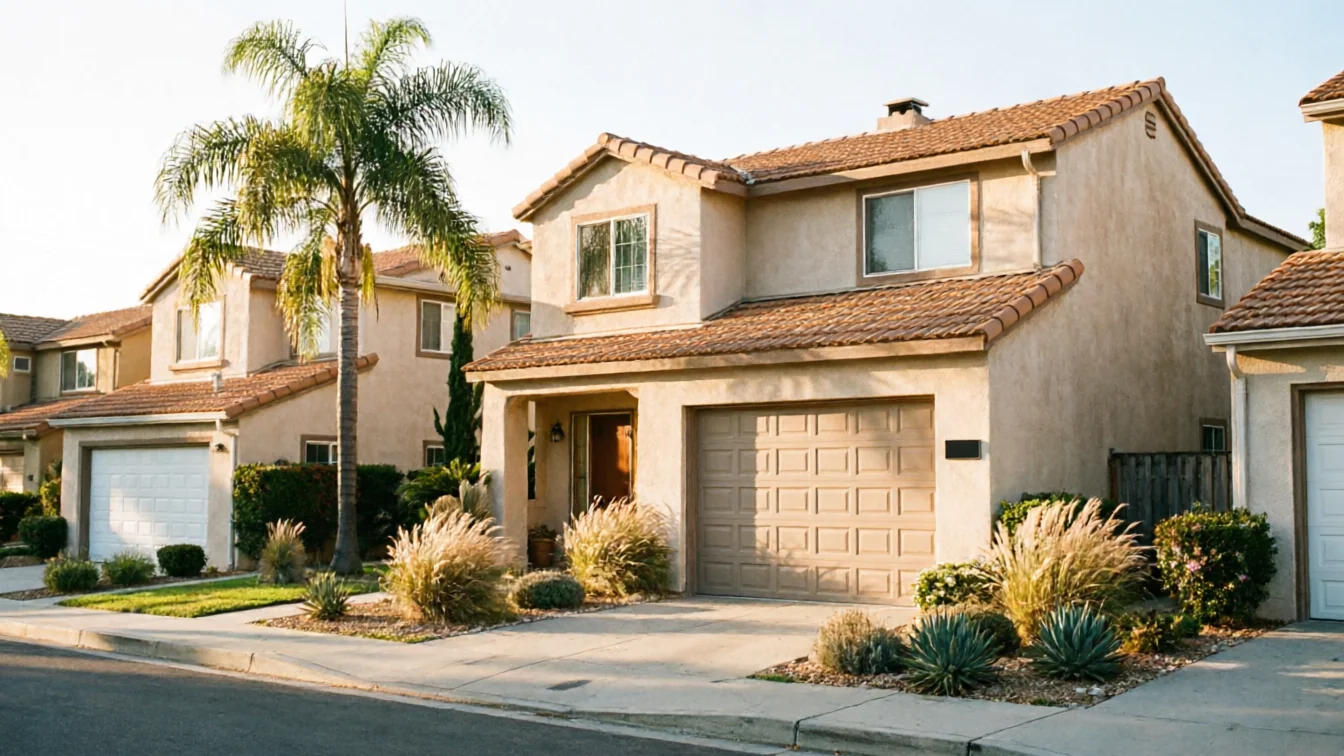
The service area sits in a moderate heat climate band, and that matters for roller wear more than people expect. Grease dries out faster through repeated heat cycling, and on an original, never-relubricated roller stem, that means metal-on-metal contact years before anyone notices a problem. The job goes sideways when a homeowner waits until the roller has fully seized - at that point it's not spinning in the track at all, it's being dragged, and dragging a seized steel roller through a track for months will groove the rail. Once the rail's grooved, new rollers alone won't quiet the door down; you're into a track repair or replacement on top of the roller job. The other way this goes wrong is mismatched rollers - putting a 7-ball nylon roller stem into a bracket sized for the original 10-ball steel setup. It looks like it fits. It doesn't run right, and it comes back loose within months.
Pricing
Median household income in Mead Valley runs $90,358, a bit above the service area's overall $83,246, and that does shift what we see requested here - more households opting for nylon rollers with sealed bearings over a straight steel-for-steel swap, since nylon runs quieter and doesn't need the periodic lubrication steel does. We don't have a flat number to quote here without seeing the door and the track condition, since a job that's only rollers prices very differently from one where the track's worn and needs replacing too. One honest limit: if the track is grooved badly enough, replacing rollers into it is a short-term fix at best, and we'll say so rather than sell you a part that won't hold. For the broader picture on this service across the area we cover from Moreno Valley, see the roller replacement page; for what else we handle locally, see the Mead Valley service area page.
Questions
If your house dates to around 1979, which is typical for this part of the service area, there's a good chance nobody has ever replaced the rollers. Steel rollers from that era can last decades before failing outright, which is exactly why so many are still in service - they wear slowly, then loudly, right at the end.
Dried-out grease on an old steel roller stem gets worse as metal expands with heat, so the grinding or hop you hear often shows up more in the hottest part of the day. It's not a new problem - it's an old one getting louder under moderate heat cycling.
Usually, yes, if the track isn't grooved. On a door running original steel rollers since 1979, we check the rail for wear first, because a groove worn into the track won't be fixed by new rollers alone - that's a separate repair we'd flag before starting.
Explore more
Ready when you are
Moreno Valley Garage Door Pros repairs and installs garage doors, springs and openers in Moreno Valley, CA and the surrounding area.